
While much of Europe is busy with carnival season, Iceland celebrates too. Not quite the same thing and not quite in the same way, but similar — and partly in costume as well. In this article I want to introduce you to these wintry holidays. Let’s go…
Three Days, Three Celebrations: Bolludagur, Sprengidagur and Öskudagur in Iceland
Iceland is home not only to breathtaking landscapes but also to unique traditions that are deeply rooted in the country’s culture. One such tradition consists of three consecutive holidays celebrated in the seventh week before Easter: Bolludagur, Sprengidagur and Öskudagur. These holidays found their place in the Icelandic calendar sometime in the 18th or 19th century, and today they give locals and visitors alike the chance to be part of a joyful and delicious tradition.
Bolludagur: Bun Day
Bolludagur, which translates to “Bun Day”, falls on a Monday and kicks off the series of three celebrations. This day is all about bollur – pastry buns, traditionally filled with jam and whipped cream and topped with a chocolate glaze. Similar to French profiteroles, these cream buns are a real treat and are sold by the thousands in bakeries all over Iceland. They are surprisingly easy to make at home, which is one of the reasons this day is so popular with young and old alike.
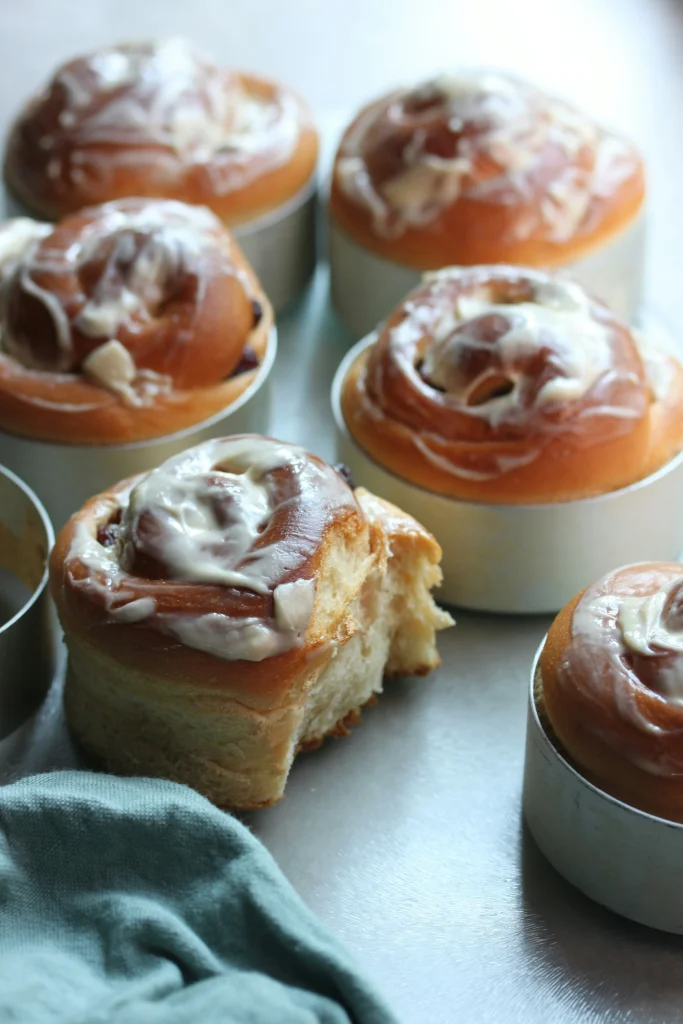
A special tradition on Bolludagur is the bolludagsvöndur, a wooden stick with a decorative paper paddle that children use to “wake up” their parents in the morning by spanking them with it and shouting “Bolla! Bolla! Bolla!” to claim their cream buns. Many workplaces celebrate the day too, ordering bollur for their employees.
In Reykjavik, you should definitely stop by Brauð & co., which conveniently sits right next to Reykjavik Roasters by Hallgrímskirkja. Here you’ll get not only super tasty bolla but also other treats and really good bread. The coffee at Reykjavik Roasters is, in my opinion, probably the best in town. But go and see for yourself! 🙂
Sprengidagur: A Feast of Abundance
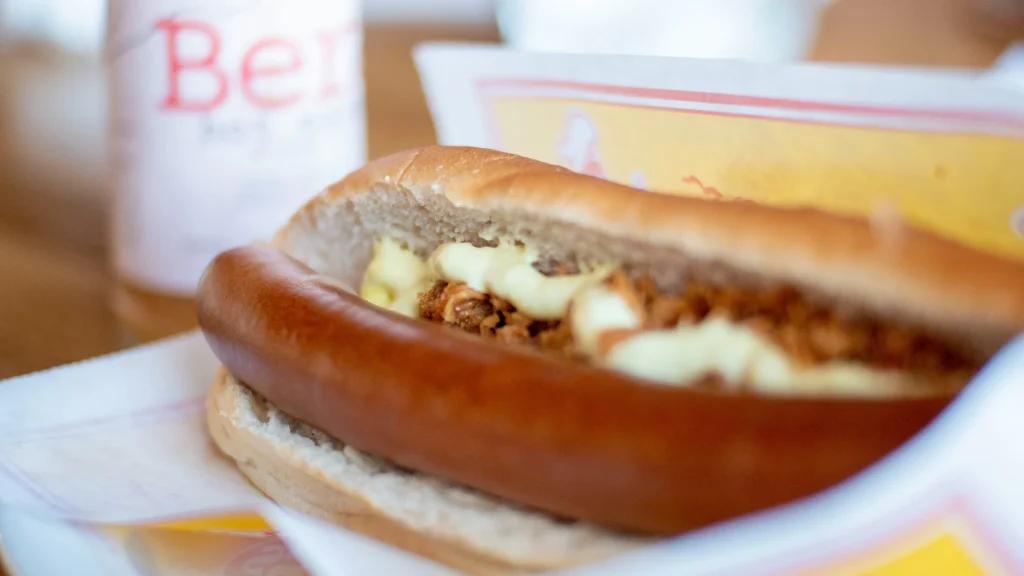
Tuesday brings Sprengidagur, the Icelandic version of Mardi Gras, a day entirely dedicated to food. The main dish of the day is saltkjöt og baunir – salted meat with vegetables and yellow split pea soup. Originally rooted in the Catholic tradition as a preparation for the 40 days of Lent, Sprengidagur today has little to do with religious customs and focuses more on the concept of overeating. The name could be interpreted as “Bursting Day”, suggesting that you’re allowed to eat until you burst.
When it comes to “bursting”, pretty much every restaurant in Iceland is happy to help: eating out is an expensive pleasure, but the standard is very high and you can count on having a great experience!
Öskudagur: Iceland’s Answer to Halloween
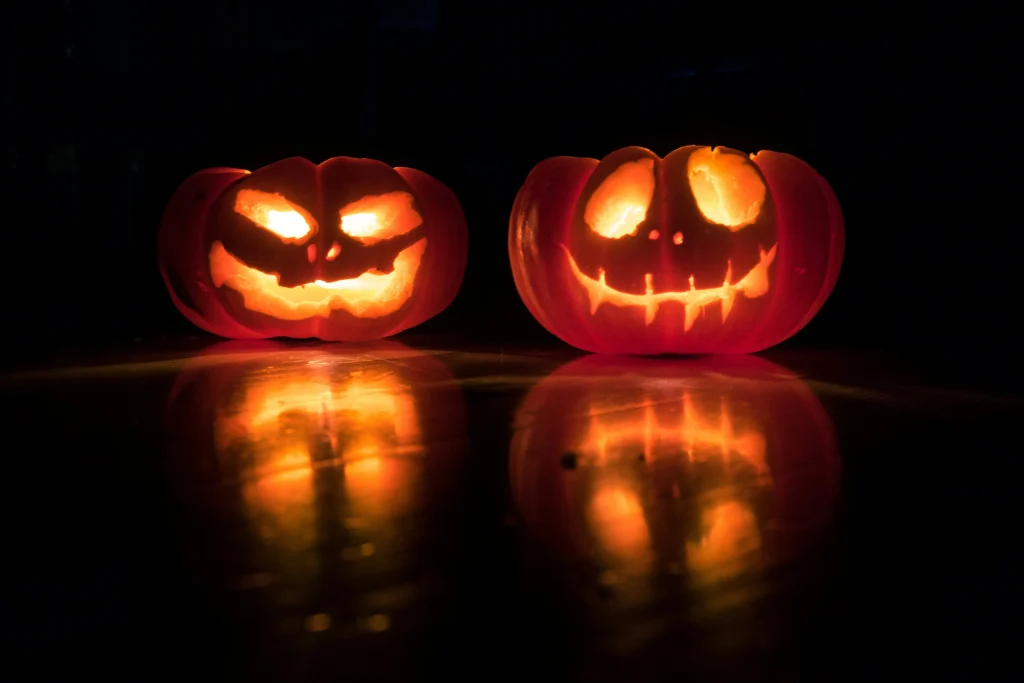
The last day of the trilogy, Öskudagur or Ash Wednesday, marks the beginning of Lent. Historically, the Ash Wednesday tradition has changed considerably in Iceland. While it was once a Catholic holiday on which people repented for past sins and had a cross drawn on their forehead, in Iceland it has evolved into a tradition where children in costume go from door to door or shop to shop asking for sweets, which they have to earn by singing a song.
These three days offer a fascinating glimpse into Icelandic culture and traditions. Whether you get the chance to experience these holidays in Iceland or simply observe them from afar, they reflect the spirit of community, joy and culinary delight that is so cherished in Icelandic society.
The celebrations around Bolludagur, Sprengidagur and Öskudagur are living proof of how deeply traditions are rooted in the heart of Icelandic culture. They offer a wonderful opportunity to get to know the country and its people in a unique and delicious way.
Other Icelandic Holidays
Besides Bolludagur, Sprengidagur and Öskudagur, there are several other holidays that reflect Iceland’s rich culture and deeply rooted traditions.
Jónsmessa – Midsummer Night
On June 24th, Icelanders celebrate Jónsmessa, also known as Midsummer Night. This day, which falls close to the summer solstice, is surrounded by old legends and magic. It is said that on this night both plants and animals possess supernatural powers, and that elves and other hidden beings reveal themselves to humans. Many Icelanders spend this special night outdoors, often with bonfires and singing, to soak up the magical atmosphere and perhaps catch a little of the mystical energy in the air.
Verslunarmannahelgi – Merchants’ Weekend
The first weekend of August is reserved for Verslunarmannahelgi, Iceland’s equivalent of Labor Day. This long weekend is known for the country’s biggest outdoor festival, held on the Westman Islands – the Þjóðhátíð festival. Music, camping and gatherings of friends and family make this weekend a highlight of the Icelandic summer. It’s a perfect time to experience Iceland’s vibrant culture, its love of music and its strong sense of community.
Þorrablót – The Midwinter Feast
In late January or early February, Þorrablót takes place, a traditional Icelandic midwinter festival that dates back to the Viking age. Þorrablót was originally a pagan sacrificial feast and is now celebrated as a cultural holiday centered around traditional Icelandic foods such as hákarl (fermented shark), svið (sheep’s head) and brennivín (schnapps). This feast is a homage to Icelandic history and a chance to explore the robust and indestructible nature of Icelandic cuisine.
National Day – Independence Day
On June 17th, Iceland celebrates its National Day, marking its independence from Denmark in 1944. The day is filled with parades, street music, speeches and, of course, the traditional flag ceremony. It is a day of national pride, celebrating Iceland’s history, culture and achievements. The festive atmosphere, joy and patriotism that fill this day offer a glimpse into the hearts and souls of Icelanders.
These holidays – from the magical Midsummer Night and the exuberant Merchants’ Weekend to the traditional Þorrablót and the patriotic National Day – are just a few examples of how Icelanders celebrate moments of togetherness, tradition and festivity. Each holiday offers a unique perspective on Iceland’s multifaceted culture and invites you to discover and appreciate the country’s traditions, way of life and incomparable nature.
No Comments Yet