
Snæfellsnes is a small peninsula north of Reykjavik, which makes it a great destination for a long day trip — although given the distance, you might be better off adding an overnight stay. The area has a lot to offer and gives you a little taste of the Westfjords, which stretch out to the north of it.
Snaefellsnes facts & things to know
Towns: Arnarstapi, Búðardalur, Grundarfjörður, Hellnar, Ólafsvík, Rif, Stykkishólmur
Coordinates: 64.858056, -23.115
Waterfalls: Kirkjufellsfoss
Route: From Reykjavik, take the Ring Road (1) up to Borgarnes, then turn onto road 54 and stay on it until you take road 55 back south at the end
Length and duration: 450km, about 6 hours of pure driving time
Hotels: Hótel Borgarnes, Icelandair Hotel Hamar, Hótel Fransiskus Stykkishólmi, Fosshotel Stykkisholmur, Arnarstapi Hotel
Bus tours: Guide to Iceland (Tour), Get your guide (Tour)
Snæfellsnes Excursions (Tour), Reykjavik Excursions (Tour), Extreme Iceland (Tour)
Rental car: Guide to Iceland (Book)
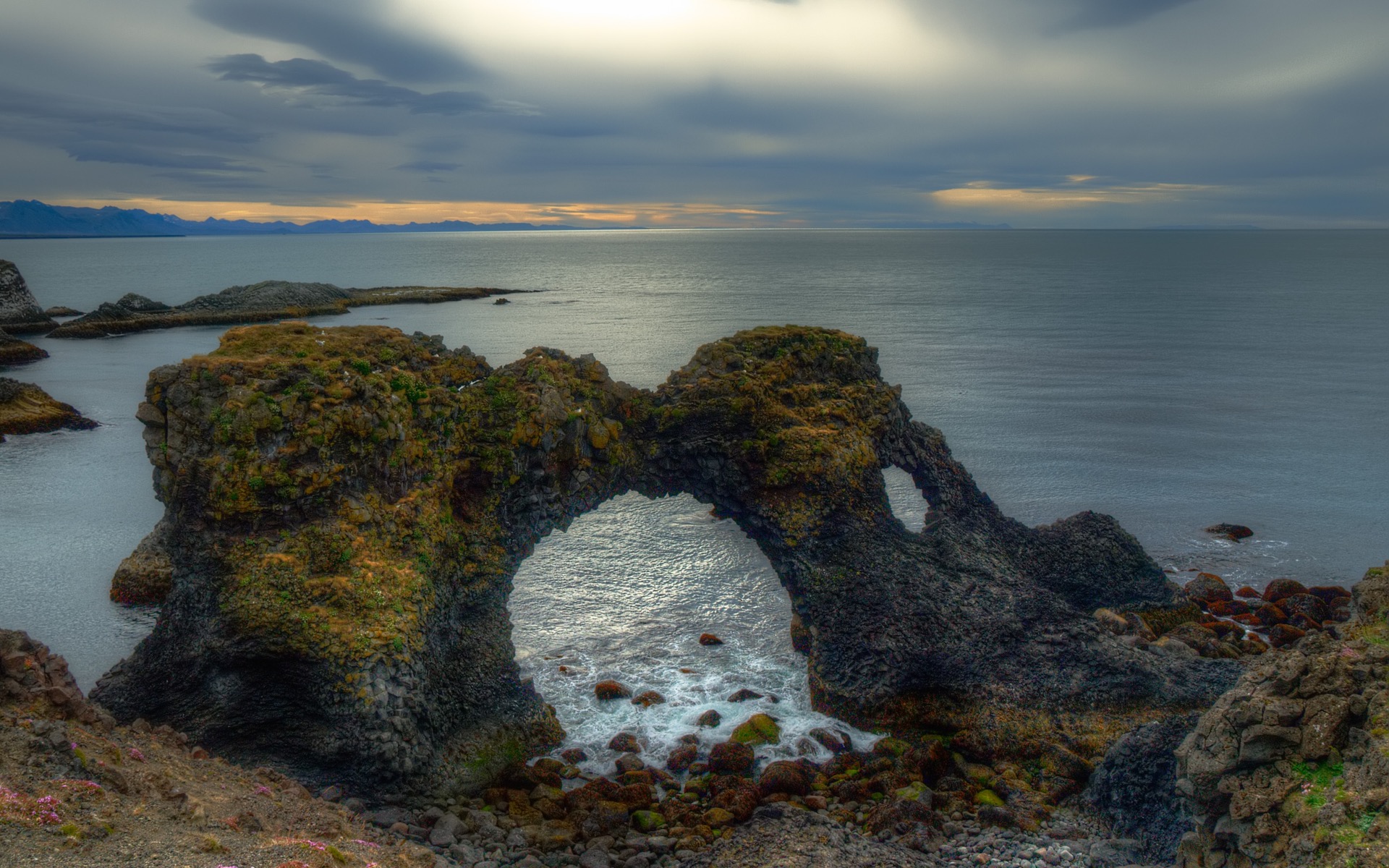
Tip for Snæfellsnes: Gatklettur
The rock formation Gatklettur can be found at the very western end of the peninsula, just before the village of Hellnar. This is also where you’ll find the Bárðar Saga Snæfellsáss statue.
Here you can watch the concentrated power of the North Atlantic crash against the rocks, carving beautiful shapes out of them. On most days it will be very, very windy here, so wrap up well.
Close by you’ll also find a stone statue commemorating the saga of Bárðr and his son Gestr. The saga tells the story of Bárðr, his wife and his daughters. He himself later retreats into the ice cap of the nearby glacier Snæfellsnesjökull and becomes the guardian of the region. Unfortunately I haven’t been able to find a complete translation of the saga — if you know one, please let me know in the comments!
 photo
photo
When I was here in April 2015, it was snowing and storming heavily. We had to hold out on the west coast for several hours that day until the roads to Reykjavik were reopened. Still a really great experience, because this is where you notice just how close you can get to nature.
Whale watching in Ólafsvík
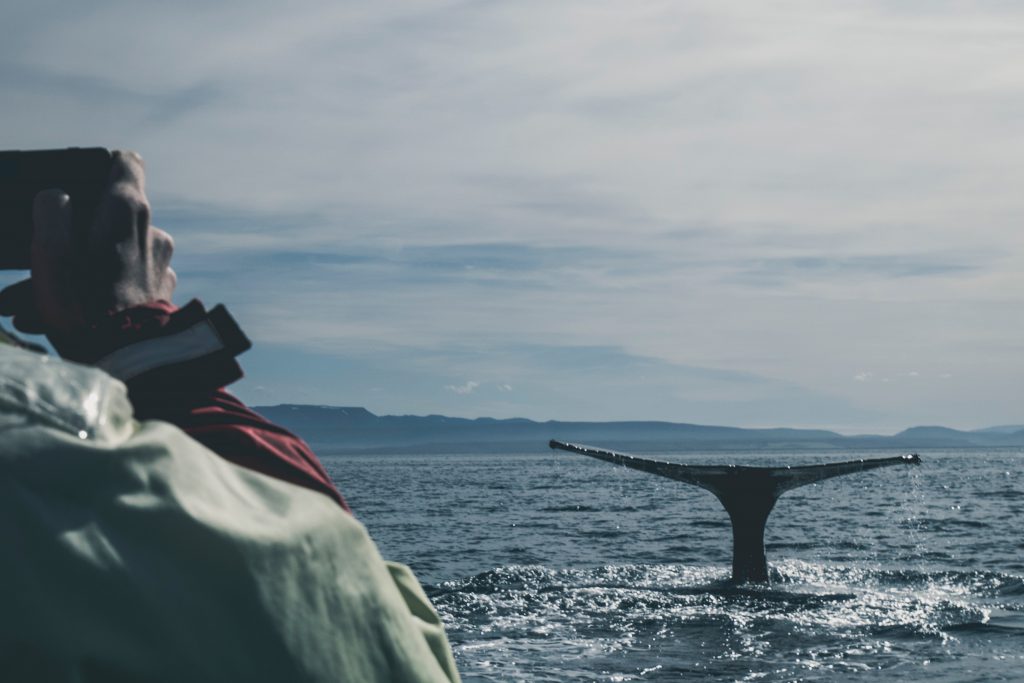
With Laki Tours you can marvel at pretty much every whale Iceland has to offer, from dolphins to humpback whales to orcas. In late winter, spring and early summer the chances of seeing orcas are especially high, and as the summer goes on, the likelihood of spotting humpback whales, dolphins and many other whale species increases. If there is no sighting, guests get a free ticket. So it’s worth scheduling your whale tour in a way that leaves room for a second one.
Horse riding on Snæfellsnes
Snæfellsnes is one of the most beautiful areas in Iceland, with great beaches and wonderful landscapes. So what could be more fitting than a ride on horseback to explore the area?
Galloping along the beach and tölting back to the farm. Discovering the national park in the west at a leisurely pace and enjoying nature.
Horse riding tours are offered by Lysuholl and Eldhestar, and there is also a 6-day tour by Tophorses.
Hot spring on Snæfellsnes: Landbrotalaug
No longer a secret, but an absolute treat among the hot springs in Iceland: Landbrotalaug
I visited this hot pot for the first time in December 2016 and met some nice people right there. Next to a small pond you’ll find both the little hot pot, which fits 2-3 people at most, and a source of hot water that can heat up the small pool. The water coming out of the ground is so hot, however, that you have to close the pipe regularly — and when you leave, you should leave it closed as well.
You can drive fairly close by car, but you don’t have to: the hike there is entertaining and makes the plunge into the hot water even sweeter. From the hot pot you have a lovely view towards the coast, and on nice days you can enjoy the games of hide-and-seek between sun and clouds.
Waterfall on Snæfellsnes: Kirkjufellsfoss
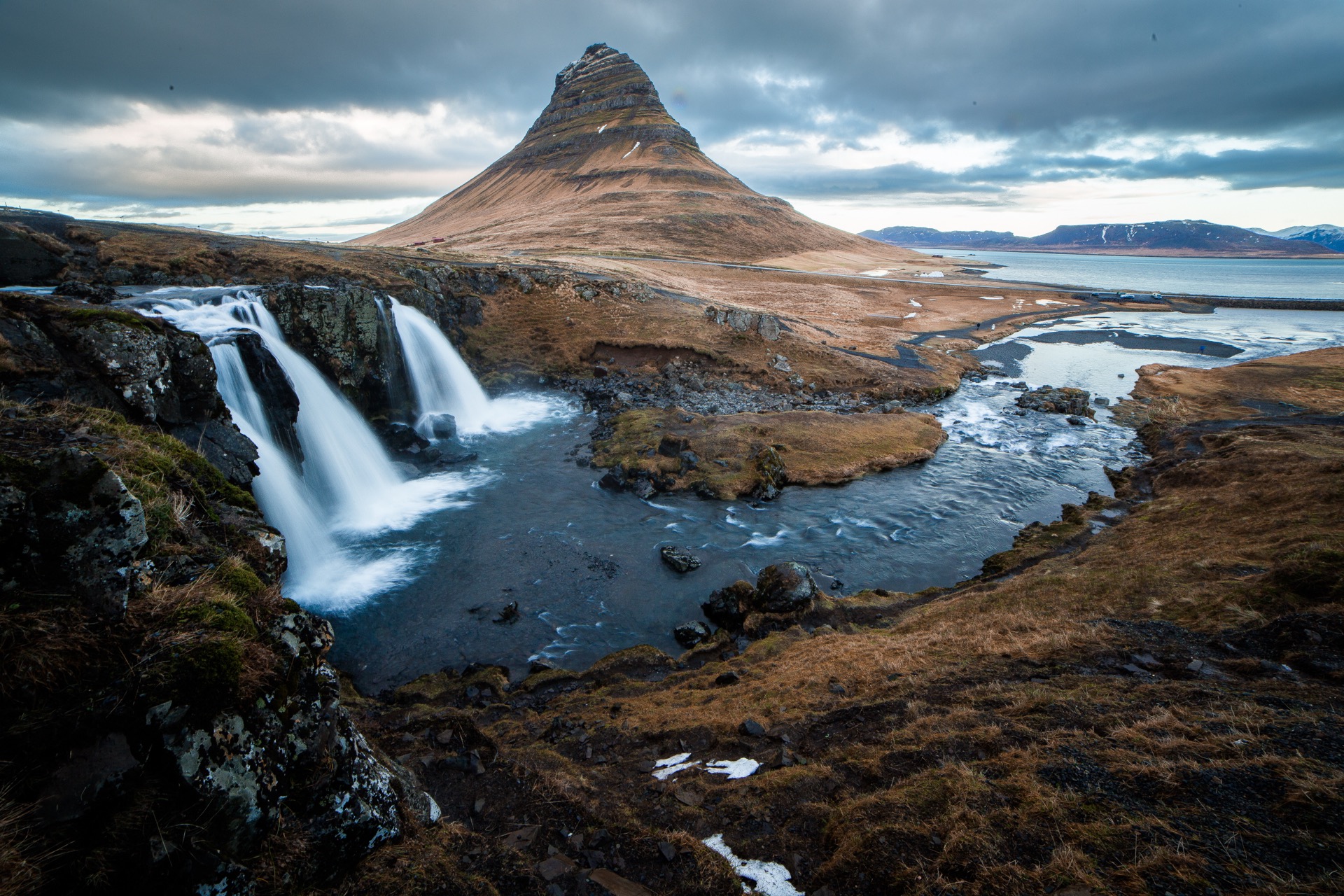
Perhaps one of the most beautiful, and definitely one of the most photographed waterfalls in Iceland, is Kirkjufellsfoss. The waterfall sits at the foot of the mountain of the same name and looks absolutely stunning. The water only drops a few meters down the steps, but thanks to its location and the ever-changing weather, the view is a feast for the eyes at any time.
The nearby mountain Kirkjufell invites the brave hiker to climb it. The walls are steep, though, and in the upper section you have to pull yourself up along chains to reach the top. So please only head up if you have some experience and are fit.
The glacier of Snæfellsnes: Snæfellsjökull
Perhaps one of the best-known places in Iceland is the glacier Snæfellsjökull, because this is where Jules Verne set off on his famous Journey to the Center of the Earth.


Snæfellsjökull is part of the national park of the same name and has a rich history: the stratovolcano formed more than 700,000 years ago and last erupted a little over 2,000 years ago. Stratovolcanoes are known for explosive eruptions, so when the time comes, you don’t want to be anywhere nearby.
In summer you can hike here fairly well; the flanks of the mountain are easy to walk on then. If you get close to the summit or the edges of the glacier, you should know exactly what you’re doing or book an experienced guide. Anyone who wants to make it all the way to the top has to climb up with professional equipment.
The national park is one of four in Iceland; it includes the beach Djúpalónssandur and protects the abandoned fishermen’s huts at Dritvík. Hiking trails are signposted and marked and cross the entire area. The surroundings are rich in birdlife, and arctic foxes feel at home here too.
Tip for Snæfellsnes: Hiking
The peninsula is full of great hiking trails, and not just in the national park. The Icelandic Environment Agency has published a guide with hiking routes on the peninsula. In it you’ll find plenty of great tour suggestions, and a few sights are deliberately worked into the routes as well.
I like to use sites like GPSies and WikiLoc for my research, but you don’t necessarily have to. You’ll find tours like this one there — I’d definitely give them a try.
If you go hiking in Iceland, you should be well equipped, especially when it comes to clothing: sturdy, waterproof footwear and clothes that keep you dry from the inside as well as the outside are essential! Even on warm days, a rain shower can make seemingly high temperatures very unpleasant very quickly, because it’s often extremely windy.
Wrap up warm! 😉
Wildlife on Snæfellsnes: Seals
Especially along the south coast of Snæfellsnes there are lots of seals frolicking about, and you can often watch them nicely from the shore.
You’ll find especially many of them in the south at Ytri Tunga beach. It lies a little off road 54, 10-15km before the village of Budir. Here you can often watch seals basking in the sun. They like to settle on the many small rocks sticking out of the sea. It’s best to come at low tide, otherwise you’ll only see the animals when they surface from the water.
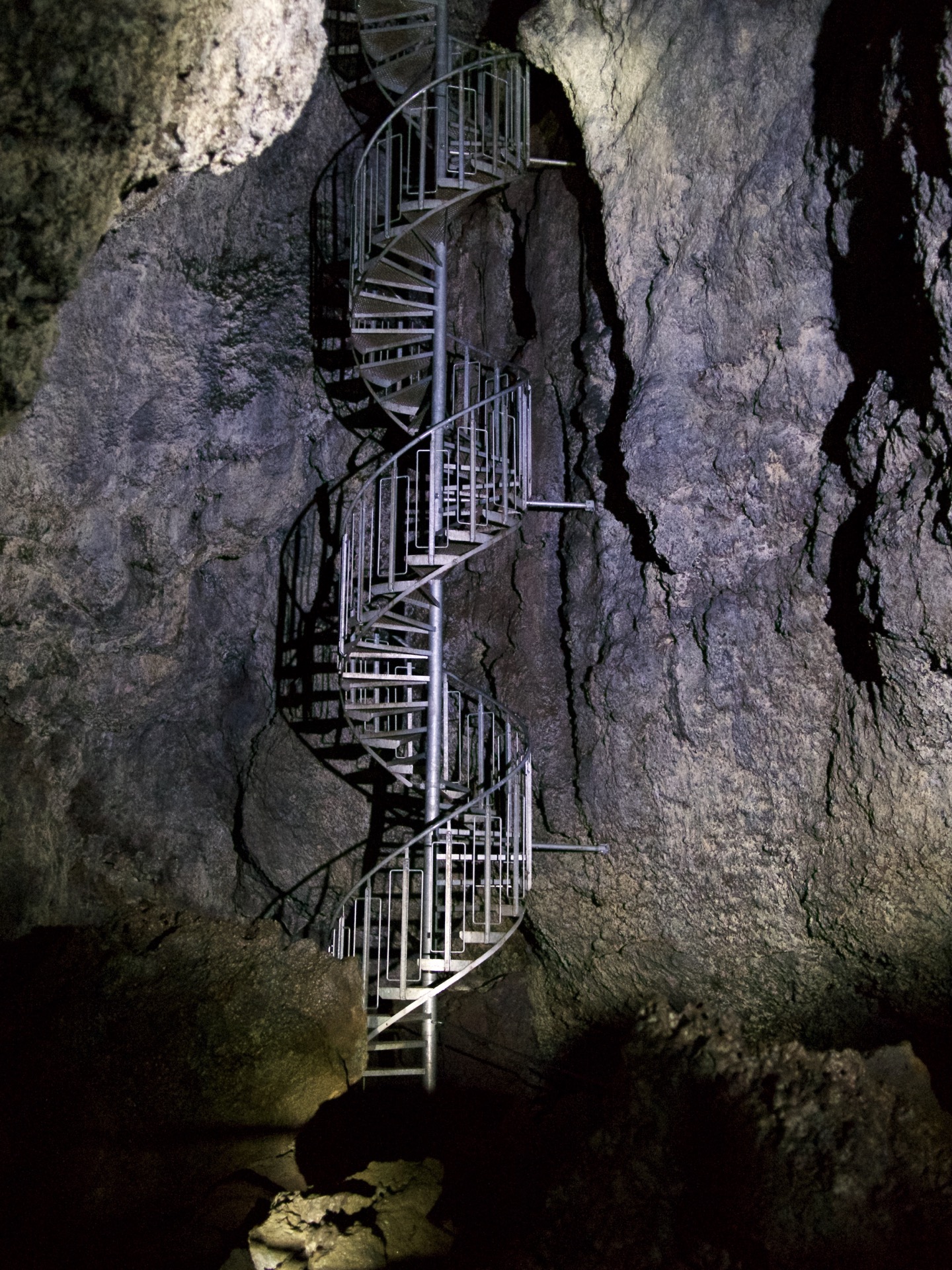
Vatnshellir lava cave on Snæfellsnes
This cave was formed more than 8,000 years ago and lies a good 35m below the surface.
It’s located at the very western end of the peninsula, right in the middle of the national park. There are guided tours every day, somewhat fewer in winter than in summer.
Here you can experience the peculiarities of a volcanic island like Iceland up close and get great background information on how the rock formations you find all over the island came into being. It can really get you wondering what might be hiding beneath all the bizarre shapes you’ve seen along the roadside on your trip so far.
The tour takes just under an hour and costs 25-30€. You should dress warmly; even in summer the temperatures down here are quite low. If you’re traveling by bus or taking a guided bus tour, check with the operator whether they stop here.
By the way, an alternative is the Víðgelmir lava cave, a little north of Reykjavik.
 Janko
Janko
Map of the sights on Snæfellsnes
On the following map you can see all the sights on Snæfellsnes at a glance and plan your route for a day trip or a multi-day tour.
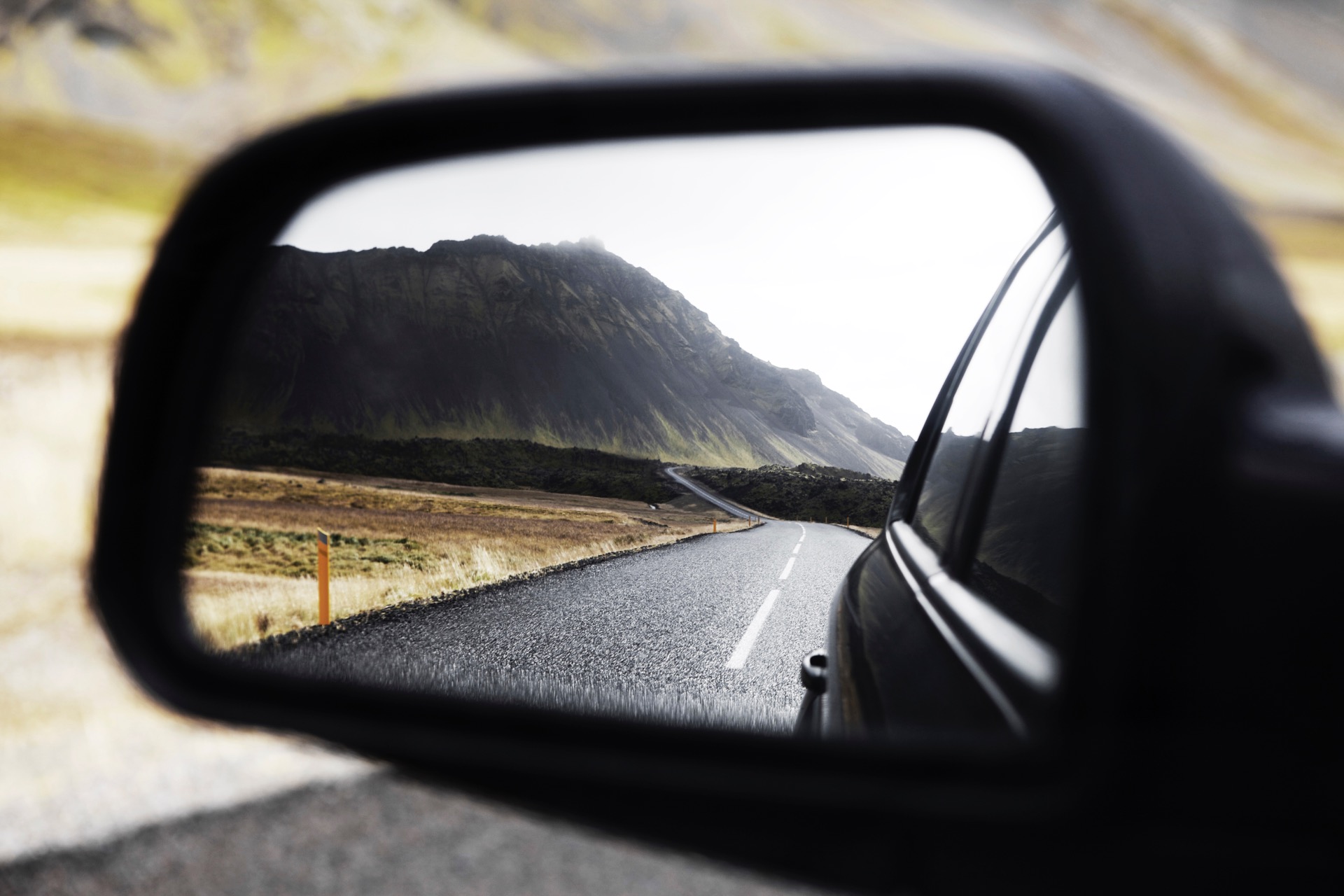
The peninsula itself is really compact and well developed; the roads are paved and in good condition. But you should definitely factor in the journey there and back so things don’t get stressful.
Have fun on Snæfellsnes!
No Comments Yet