
Travel tips for Iceland — that’s what people keep asking me for. I’m often expected to deliver that one single tip for the trip. That’s really difficult, if not impossible, to answer, because what’s an insider tip for one person is boring for another. What makes sense for one traveler won’t help the next one at all.
In this post I want to try to group the tips for your trip to Iceland a bit, to make them useful and helpful. For each section I’ll give you: 2-3 must-see tips, i.e. things you should definitely see / do / buy. 1-2 insider tips, meaning things that lie a little off the beaten tourist path. And on top of that there are 1-2 anti tips, i.e. things you can safely skip 😉
Here we go…
Travel tips for Iceland in winter
Must see: glacier ice and northern lights
What you absolutely have to experience in winter are the northern lights! In the linked post you’ll find all the important details. Here’s the short version: September, October & March are the best time to visit for the northern lights. Keep checking the weather forecast or use the Iceland app to stay up to date. Outside the city your chances are much higher, so get out into the countryside.
Glaciers are a rare thing these days. Good thing Iceland has several of them. Winter is naturally the ideal time to climb and marvel at them. During the cold season the ice caves are also accessible, which are usually closed in summer. Here I strongly recommend guided tours — please don’t head out on your own if you don’t know exactly what you’re doing. A once-in-a-lifetime experience!
Insider tip: Sequences festival and surfing
A little insider tip: the Sequences Art Festival (it doesn’t even have its own homepage 😉). The festival focuses entirely on visual art and showcases works by more than 300 international artists. It always takes place in October.
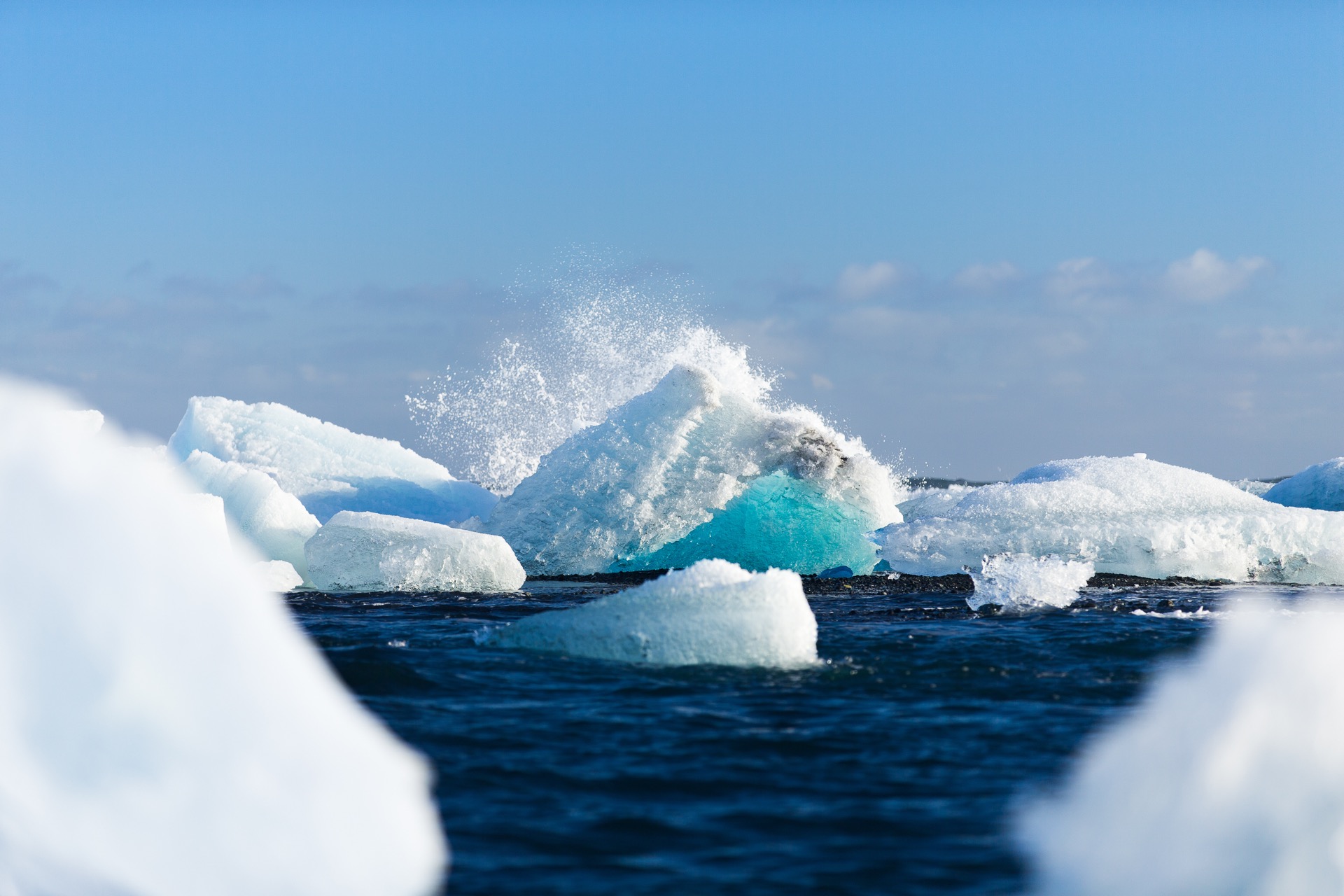
If you like it cold and action-packed, you can go surfing. The guys & girls at Arctic Surfers invite you onto the Atlantic waves in the south and west. You can also book stand-up paddling (SUP) tours, for example between icebergs.
Anti tips: whale watching
In winter you can pretty much skip whale watching. Especially in the region around Reykjavik, you won’t get the same experience as in summer. That’s a shame for the tour operators, and if you don’t mind possibly not seeing any big whales but rather a few dolphins, or if you simply want to enjoy a boat ride: it will definitely be an experience. Personally though, I’d recommend it for the summer — the conditions are simply better then.
Travel tips for summer in Iceland
Must see: whale watching, lava tubing and horse riding
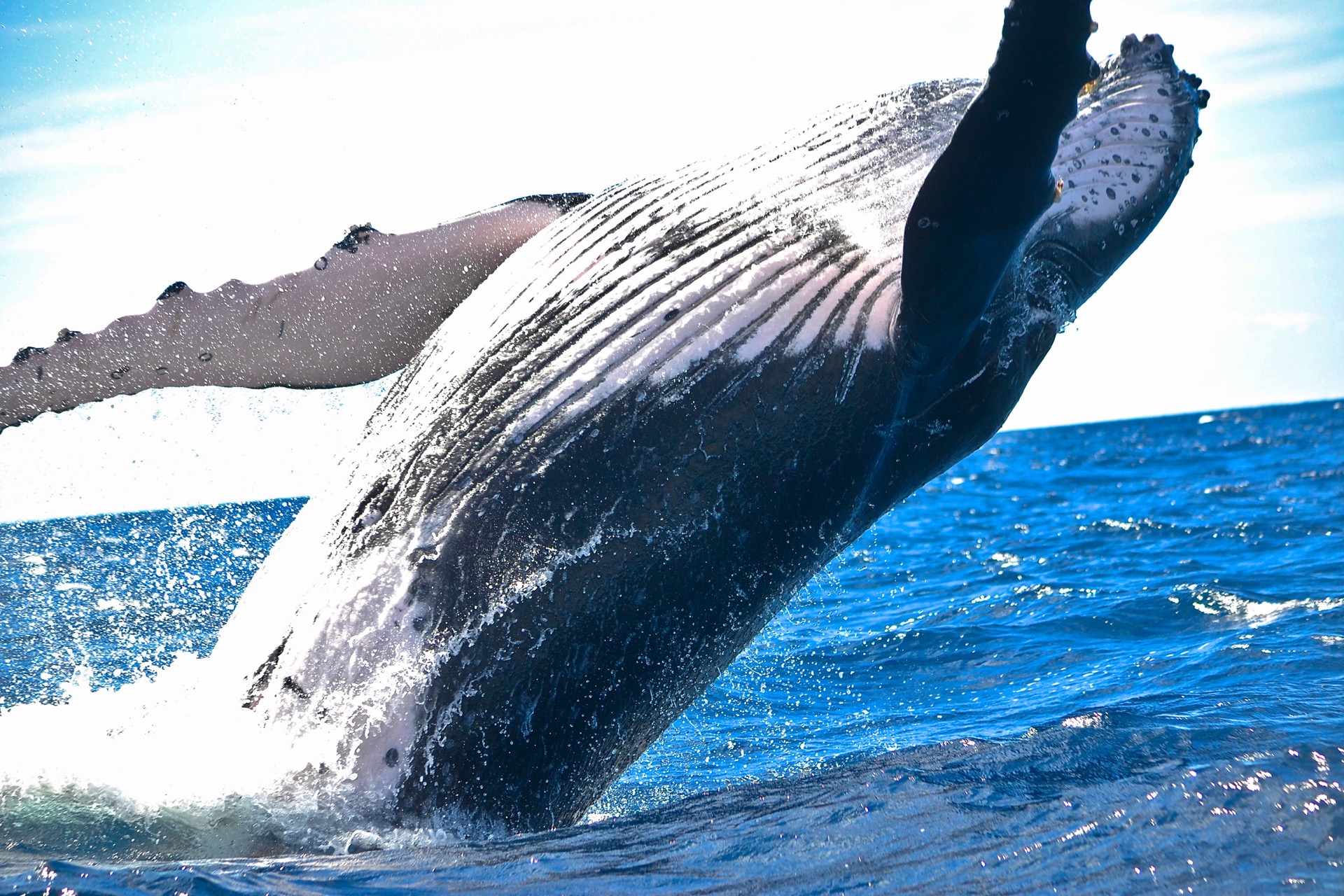
In summer you should make it onto the water: especially in the north, whale watching in Iceland can be an incredible experience. If you haven’t done it yet: seeing these giant creatures live is an amazing experience and makes you realize how beautiful the world really is. Please pick an operator that acts sustainably, meaning one that doesn’t get too close to the animals and stress them out. I can warmly recommend North Sailing in Husavik!
Since you can’t really climb high up onto Iceland’s glaciers in summer, I recommend the descent instead: into one of the lava caves. There are quite a few of them; among the better known are the Songhellir cave, Leiðarendi, Raufarholshellir and Víðgelmir. You should find yourself a suitable guide here and better not wander off alone. Caves can quickly become dangerous if you don’t know what you’re doing.
Insider tip: the Westfjords and Grimsey / Vestmannaeyjar
The Westfjords, again and again the Westfjords! Most visitors to Iceland never stray here, simply because they can’t fit it into their tour schedule. On a 7-day Iceland trip it is indeed difficult; from 10 days upwards it’s comfortably doable. But even then, many find the way too far or the area too rough. I recommend the Westfjords for returning visitors, i.e. for your second or third trip to Iceland. On your first trip only if you really bring a lot of time and a sense of adventure.
The two islands Grimsey and Vestmannaeyjar lie in Iceland’s north and south respectively, and are also visited by tourists far less than most other corners of Iceland. Grimsey is the northernmost inhabited point of Iceland, and the Arctic Circle runs right across this island. Fewer than 100 people live here, so it’s accordingly quiet. You get here by plane or ferry. In the south you’ll find the Westman Islands. About 4000 people live here and there’s quite a bit to see and learn about volcanism. In 1973 the island was struck by a volcanic eruption, and there’s a lot to see and read about it.
Anti tips: Golden Circle
Don’t get me wrong: the Golden Circle is always good and always worth seeing. Please don’t let anyone tell you it’s ‘touristy’ or ‘hype’: even if it is, it is so for good reason. So why is it still an anti tip in my view? Because I find the Golden Circle more impressive in winter. Gullfoss in ice, Strokkur with clouds of steam, Althing under a blanket of snow. It’s just that little bit more spectacular than the same places in summer. I wouldn’t want to miss either though, so my advice is: if you know 100% that you’ll be here once in winter and once in summer, visit the Golden Circle both times and let me know in the comments which one you liked better 🙂
Travel tips for clothing in Iceland
Must have: waterproof clothing, layering and sturdy footwear
The most important piece of clothing for your Iceland trip is the one that protects you from water. Whether it’s your jacket, your trousers or your shoes: if they’re not waterproof, they will make you unhappy sooner or later. Iceland is an island in the North Atlantic, just like Great Britain: it rains. Constantly! So if you don’t want to be at the mercy of the weather, bring clothing that keeps you dry on rainy days.
Besides that, Iceland is — surprise — pretty cold. In winter it can drop below -25°C, while in summer it rarely climbs above 20°C. If you’re always freezing anyway, it’s relatively simple: wrap up warm and you’re done. For people like me, who reach for a t-shirt the moment it’s 20°C and sunny, the layering principle was invented: wear several layers of clothing that you can combine flexibly. There are 3 basic layers: sweat, warmth and water protection. The first layer keeps your body dry by wicking sweat away. The second layer keeps you warm and the third keeps you dry. You can read more about this in my Iceland packing list.
Sturdy footwear is important above all if you want to go hiking. In summer it’s not a big deal: I did my first Iceland trip in Chucks and arrived everywhere in one piece. But I was also particularly lucky with the weather — not a single rainy day spoiled my one-week road trip around Iceland. That could easily have gone wrong, which is why my advice is: bring weatherproof, waterproof and comfortable hiking boots to Iceland so you’re prepared for anything.
Insider tip: anti-slip crampons
In winter, anti-slip crampons that you can strap under any footwear are a big help. You can get them everywhere for relatively little money (cheaper: buy them before you travel!) and especially in the city they give you a bit more confidence when walking around. They’re no good for climbing a glacier though — for that, please rely on a good guide! 😉
Anti tips: Chucks
Chucks are OK if you’re in Iceland in summer and not very adventurous. Or tough as nails. Otherwise, sneakers are really close to useless in Iceland: your feet get wet quickly, they dry slowly, and they give you little grip when hiking.
If those are the only shoes you own, it shouldn’t stop you from flying to Iceland anyway. But if that’s the case, it might also be a good time to invest in proper hiking boots!
Travel tips for Reykjavik
Must see: Hallgrímskirkja, Sun Voyager, Harpa
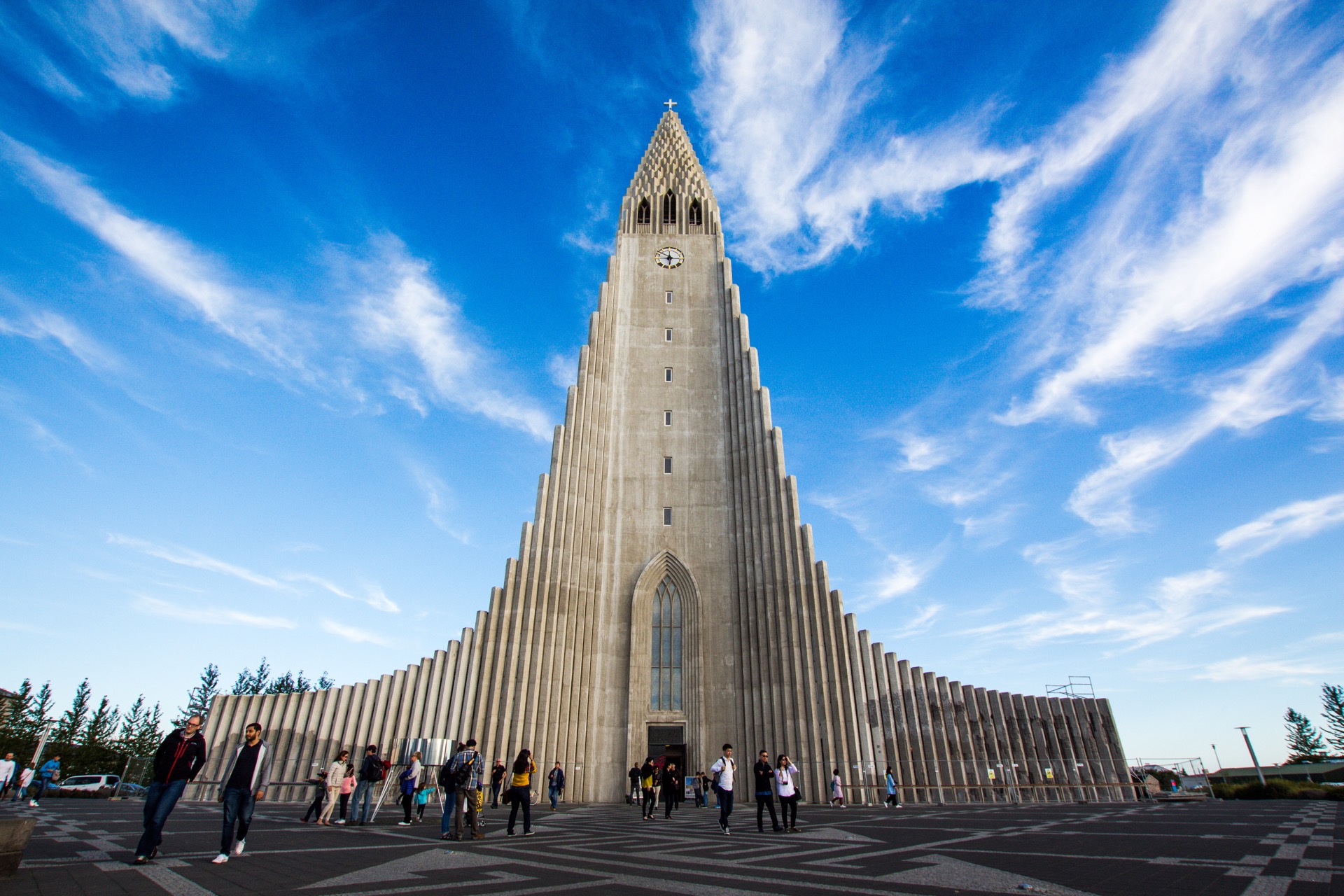
The big church in Reykjavik, Hallgrímskirkja, is the city’s landmark. Nearly every photo album about Iceland has a picture of this building somewhere, and rightly so. The church majestically overlooks the city from a small hill and offers you a great view from the top. An elevator takes you up there. From up there you can already scout the route for the day tour I suggest doing.
It leads you down to the water where the Sun Voyager awaits you. This sculpture was created in 1986 by an Icelandic artist for a competition, and the story behind the ship is very interesting. Just this much in advance: it’s not a Viking ship, as many people think.
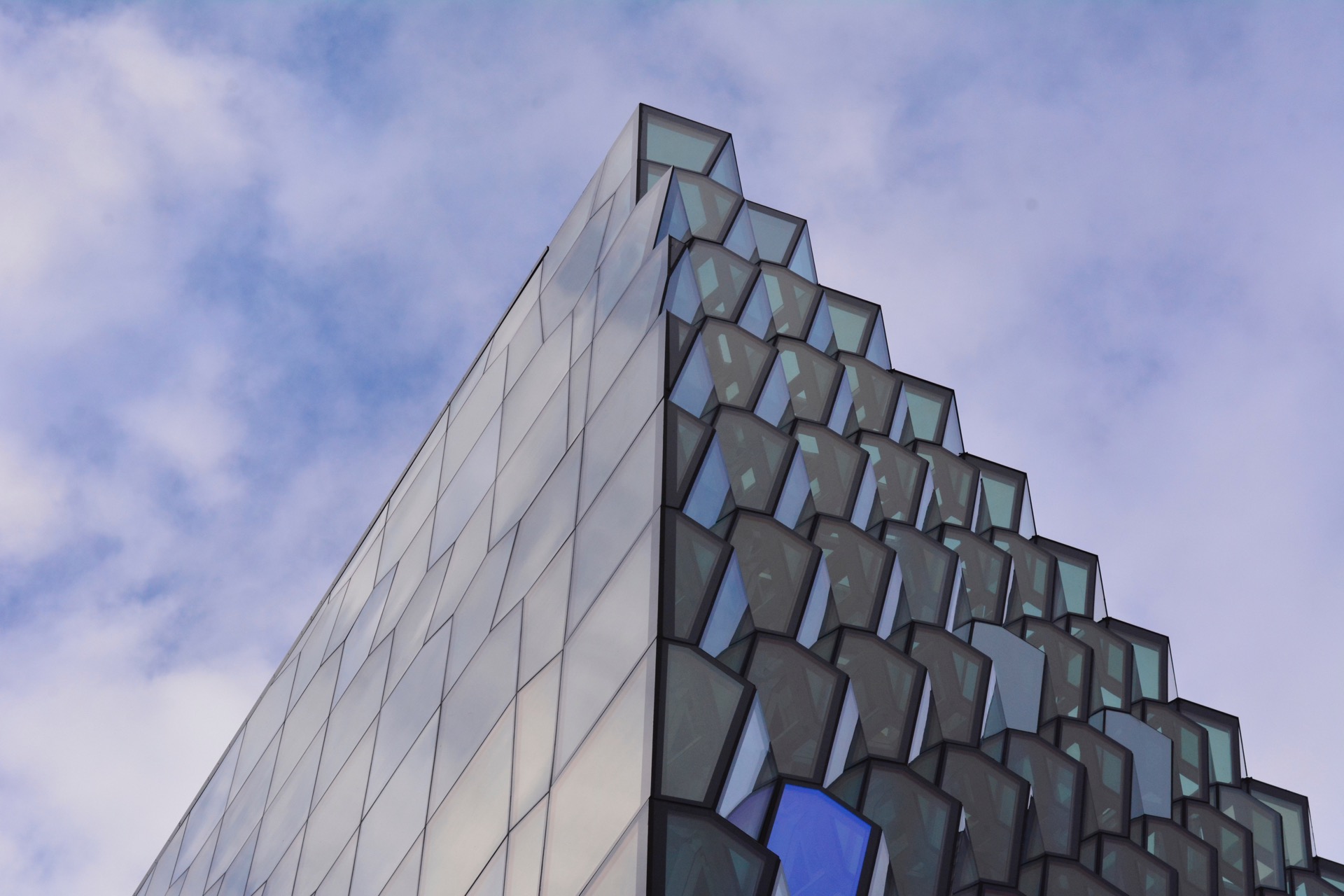
The next stop is Harpa. The concert hall at the harbour opened only recently and is not without controversy among the locals. Construction had to be halted during the 2008 financial crisis, and both the financing and the location of the property were a thorn in many people’s side.
Insider tip: street art and side streets
If you have the time and are a little interested in street art, then just head out and walk through the streets of Reykjavik. On every corner, in almost every part of the city, you’ll come across the most diverse and usually impressive street art pieces. In the city centre as well as in the harbour area and the adjacent residential neighbourhoods. Get lost in the side streets and simply soak up the city and the vibe — it’s worth it!
Anti tips: Laugavegur
Please don’t come to Iceland for shopping, please please don’t! This country has so much to offer, shops shouldn’t be at the top of the list.
Don’t get me wrong: if you feel like strolling through the city after a day tour, do drop into the many small shops along the shopping street Laugavegur and support the shop owners by buying something if it’s nice. Here in Iceland too, craftsmanship suffers from digitalization, and the small shops increasingly have to make way for the big chains. Handmade goods in particular should be worth a certain premium to you.
Reykjavik as a shopping trip, however, I find creepy: I’d rather jet off to New York and add a stopover in Iceland on the way back to see the Golden Circle and the Blue Lagoon.
Travel tips for traveling Iceland on a budget
Must have: a big budget, low expectations, clear goals
Traveling cheaply in Iceland is impossible. There, I said it. Those who know me know that I rarely and reluctantly make absolute statements of this kind, but here I have no trouble doing so.
You can travel more cheaply in Iceland, but you have to know what you’re comparing it to. Reykjavik has recently been ranked as one of the most expensive cities in Europe, if not the most expensive. Living costs like groceries, rent and services have risen immensely over the past 3-5 years, and the strong krona makes all of that exponentially more expensive for tourists.
So if someone tells you camping in Iceland is cheap, they’re lying: camping in Thailand or Africa is cheap. Camping in Iceland is only cheaper than a hotel in Iceland would be. Supermarket food in Iceland is only cheaper than a meal in a restaurant would be.
Say goodbye to the idea of a budget holiday in Iceland: if traveling cheaply is your priority, give Iceland a pass and come here when money is no longer the main criterion. Otherwise you’ll pay attention to nothing else during your holiday, it will spoil everything for you, and that’s something you should really avoid.
If you travel to Iceland, plan very well — and that includes clearly defining what you expect from your holiday. Write everything down, research the prices in Iceland and check whether your budget is sufficient. Lower your expectations, no matter how high or low they are. Someone who can afford a good hotel on a normal holiday will very likely end up in a hostel in Iceland on the same budget — or simply have to spend more money.
Some may give me funny looks for statements like these, but I prefer to be (in my opinion) honest. Expectations set too high have spoiled experiences for me many times — that’s a tip I’d like to pass on as a frequent traveler in general.
Insider tip: supermarket and tent
If you don’t have a bottomless budget, you’ll want to save wherever you can. The best places to do that are getting here, your accommodation and your groceries. The latter I would buy in supermarkets — Bonus and Krona are widespread and of good quality. There’s also Víðir, which is a bit more expensive but also a bit better, especially for fruit and vegetables.
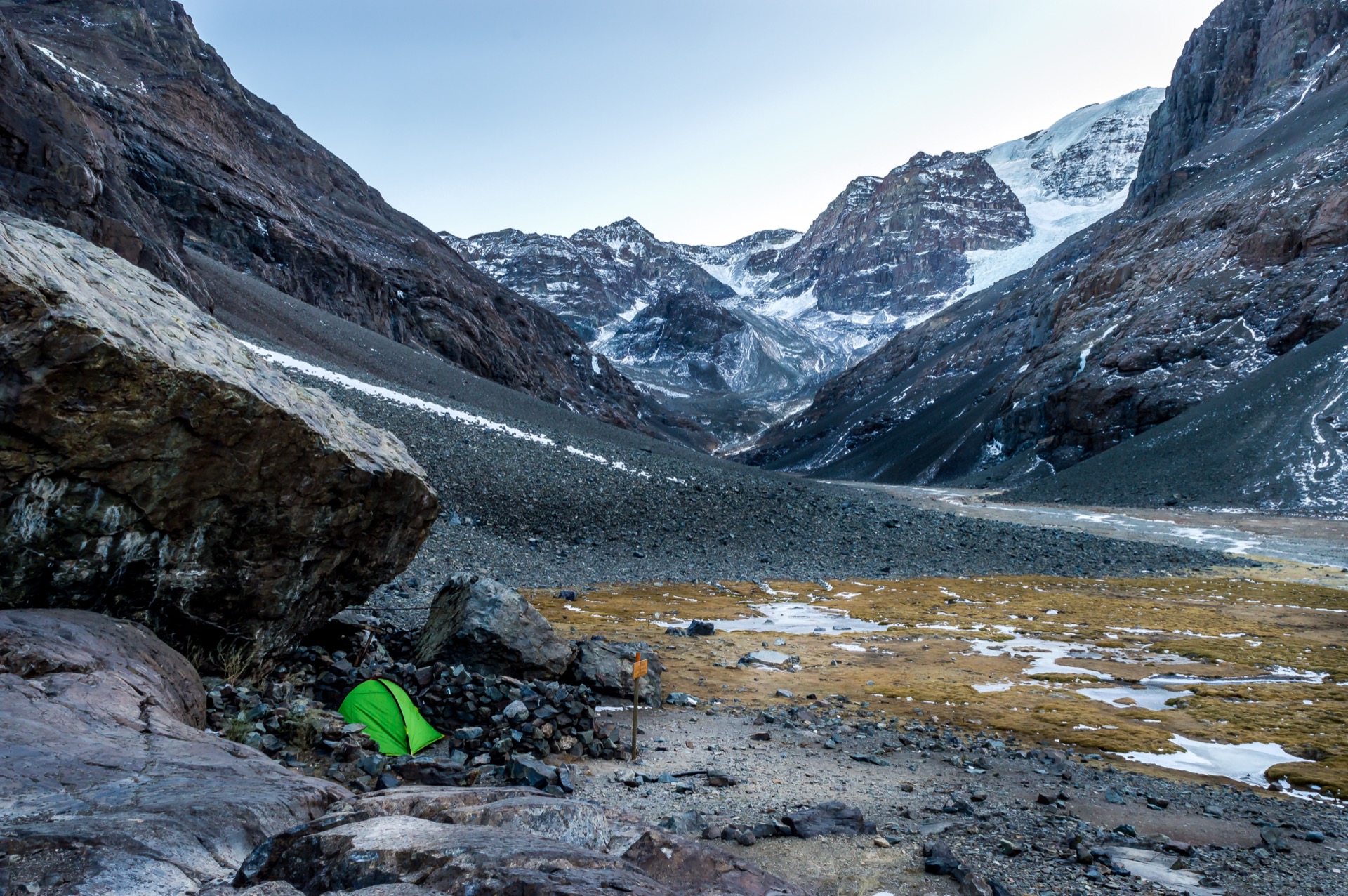
The biggest cost factor will be accommodation. The cheapest option is camping, because if you bring your own equipment you basically only pay the campsite fees. That’s really manageable and allows you to stay in Iceland for a longer time with very little money.
Also not to be forgotten: the rental car in Iceland, if you want to book one. I like to use the service of Billiger Mietwagen for searching.

The service scans hundreds of providers and presents the results neatly. Then I can calmly decide on the one whose offer suits me best.
Anti tips: poor preparation
Poor preparation is about the worst thing you can do as a traveler to Iceland. Many people see photos of the northern lights on Youtube and Flickr and are then devastated because the ones they see in real life aren’t purple and dancing across the sky. Others see photos of the Blue Lagoon in a brochure, with 2-3 people in the picture, and are then annoyed by the 100+ people they encounter there in reality. There are often long faces, too, when tourists come home soaking wet because they went exploring in a wool coat, or when they receive the bill from the car rental company demanding several hundred euros for a new windshield.
You can’t insure yourself against everything, and that would really take the fun out of traveling anyway — but informing yourself well in principle, and above all listening to what experienced travelers recommend, is a good first step.
I hope this site and my travel tips help you with that, as well as my travel guide for Iceland and my Iceland app.
Have fun in Iceland!
Photos by Unsplash
No Comments Yet