
A round trip around Iceland is probably the most popular way to travel for anyone spending more than a stopover on the island. Doable in a week, but easily stretched out over several months, this way of getting to know the island is only ever as complex as you make it. There is plenty of room to shape it, though, and so planning an Iceland round trip can quickly become overwhelming. In the following article I want to give you a common thread for your trip planning, along which you can prepare and plan the most important cornerstones of your journey. Let’s go…
Round trips in Iceland
By a round trip I mean circling the island completely, or at least most of the way (>50%) — that’s what I’m basing this article on. You can certainly argue about definitions, but so that you know what I’m talking about, I’ll simply set it as that. And there is a lot to plan: How do I get around? How much time do I need? What do I absolutely want to see or experience? And, in my eyes very important: What can I do without?
So let’s try to answer these questions.
Round trip in Iceland by bus or by car?
There are essentially two means of transport for a round trip: You can either rent your own car or travel around the island by bus.
So far I have always rented my own car, so that’s what I can say the most about. Driving in Iceland is a complex topic, but in practice it is anything but unmanageable. There are basically only two important factors: Will you be driving in the Highlands, i.e. on the F-roads, and are you planning a trip in winter? For both, renting a four-wheel drive vehicle is generally recommended, and even then only combined with experience and confidence behind the wheel. If you already feel unsure driving on snow at home, you should keep your hands off this option. If you are travelling in summer and exclusively on non-F-roads, you don’t need to worry about any of this: Any car, from a Micra to a Passat, is perfectly sufficient, as is perfectly average talent at the wheel.
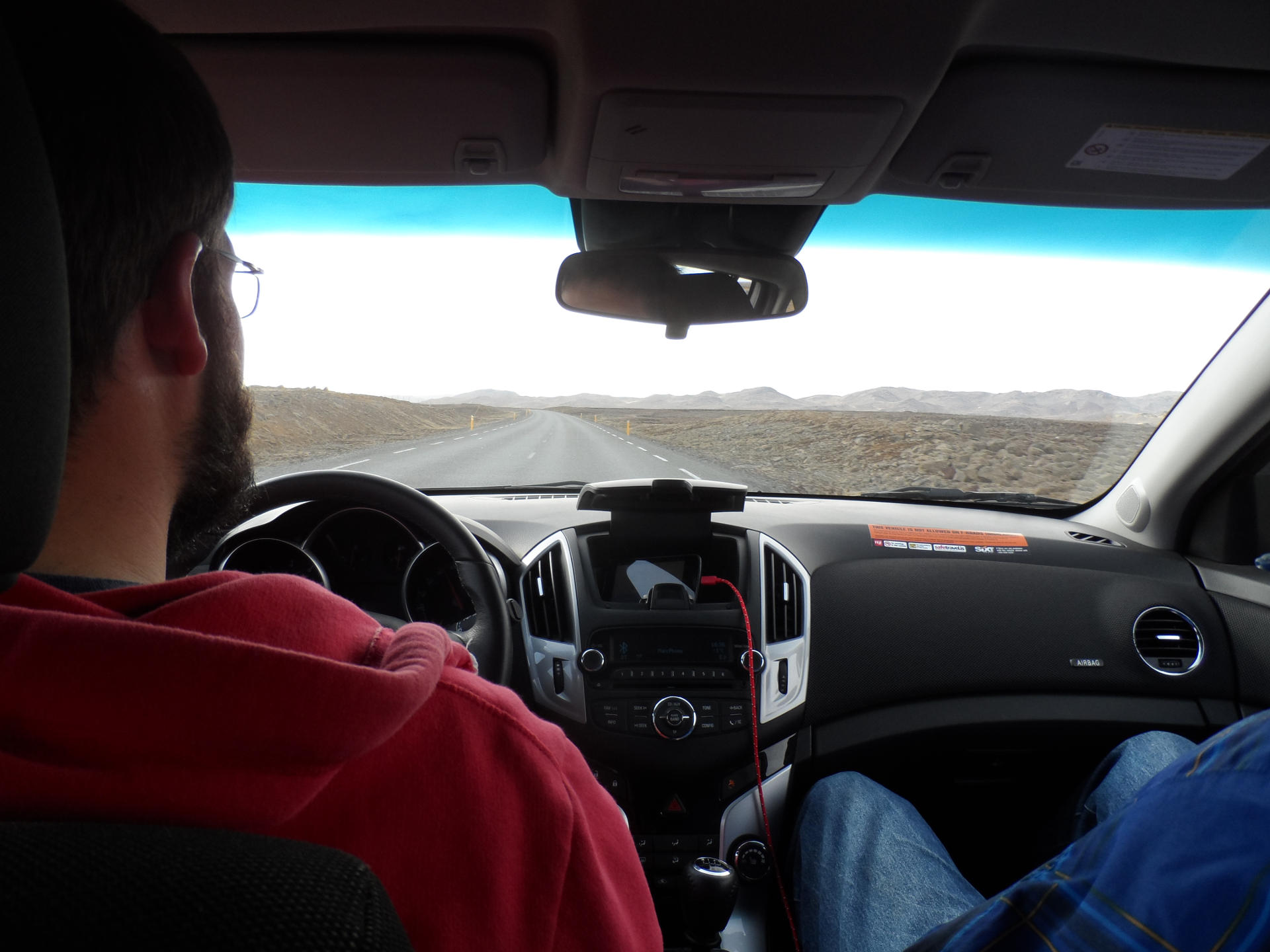
With regard to the costs of a rental car, the main thing to say is: From a travel group size of two upwards, a rental car will often be worth it, or rather cheaper than a (guided) bus tour. So if you are not travelling to Iceland alone, the rental car should be your preferred option. Here’s just a little back-of-the-envelope calculation: A Chevrolet Spark costs between 200 and 400€ for 6 days (depending on insurance) and you have to budget about 300€ for fuel: 500-700€ in total. A bus pass for a complete circumnavigation currently costs about 280€. So on your own you clearly pay extra, but if you can split the costs between two or more people, the car is (in my view) the better choice.
There are various bus companies offering tours. Most of them offer day tours and bus passes for circumnavigations. As mentioned, the costs are around 250-300€ per ticket, which lets you travel around the island once completely in one direction. Since I have never tried it myself and — mainly because of the lack of flexibility — am absolutely not a fan of bus travel, I don’t want to go any deeper into the topic, as I probably wouldn’t write about it neutrally. But I would be delighted if you can / want to share something about it: Please get in touch with me and maybe we can work the information into an article together!
Oh yes, of course there is also the option of arriving with your own car. More on that in the next section, because once you are on the island there isn’t much to consider with your own car / motorhome: They drive on the right here too, just like at home, and apart from good winter tyres you don’t need any special equipment or anything.
How do I get to Iceland for my round trip?
Short and sweet: By plane or by ship.
99% of you will travel to Iceland by plane, and that is also the most comfortable and cheapest option. Flights to Iceland are available for under 100€ per leg — here you benefit from Iceland being a trend destination: Flights are subsidised by the tourism industry. The airlines don’t necessarily have to make money on the flights themselves; they get it from their hotel chains or deals with them. It’s like petrol stations: Compared to the attached shops, they make almost nothing on selling fuel.
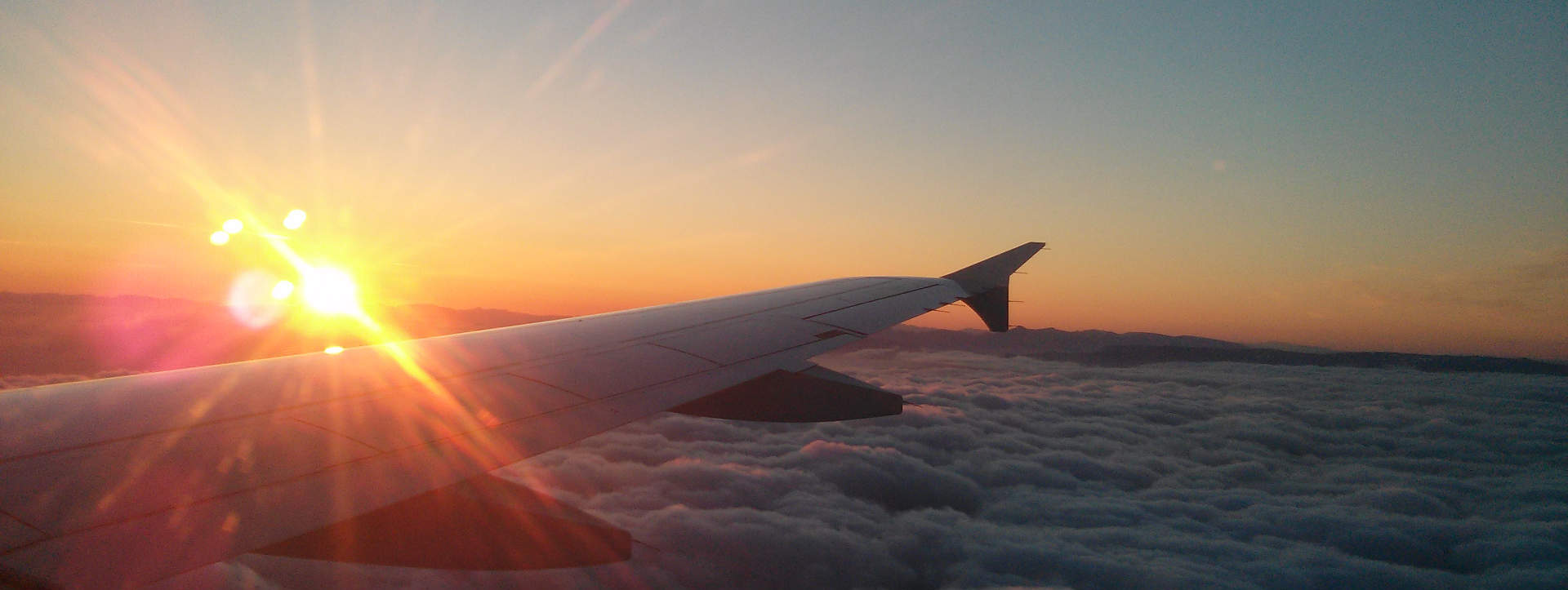
Another option is the ship. Ferries to Iceland depart from Denmark, among other places, and take you either directly to Iceland or with a stopover on the Faroe Islands. You are at sea for 2-3 days and the costs come to about 650€ including the car and a bed in a shared cabin for the first person, plus another 350€ for a second person (there may be cheaper providers out there, I’m always happy about hints). If you factor in the drive to Denmark and the two lost travel days, I personally find this option not very attractive. However, if you are staying for a longer time, perhaps have your own motorhome or simply have a fear of flying, you’ll find a really good alternative to flight & rental car here. Above all, the money saved on hotels can quickly recoup the extra expense in that case!
What is the best route for a round trip in Iceland?
Clockwise, counter-clockwise, straight through the middle. There aren’t infinitely many, but quite a few different directions in which you can approach a round trip in Iceland.
But in my view, the real questions are:
- What do I absolutely want to see / experience in Iceland?
(In other words, what has high priority) - How do I want to start my trip?
(Calm or exciting?) - How do I want to end my trip?
(Relaxed or with risk?)
Anecdote: My favourite cycling route starts with two tough climbs and ends with a long, long downhill stretch. Just right for me: Effort at the beginning, and arriving relaxed but with some action.
On a round trip I would personally want it exactly the same, meaning I would put strenuous tours at the beginning: A glacier climb, a long hike, cycling or horse riding tours. The last days then perhaps relaxed in a luxurious hotel in Reykjavik with a hot spring right by the house.
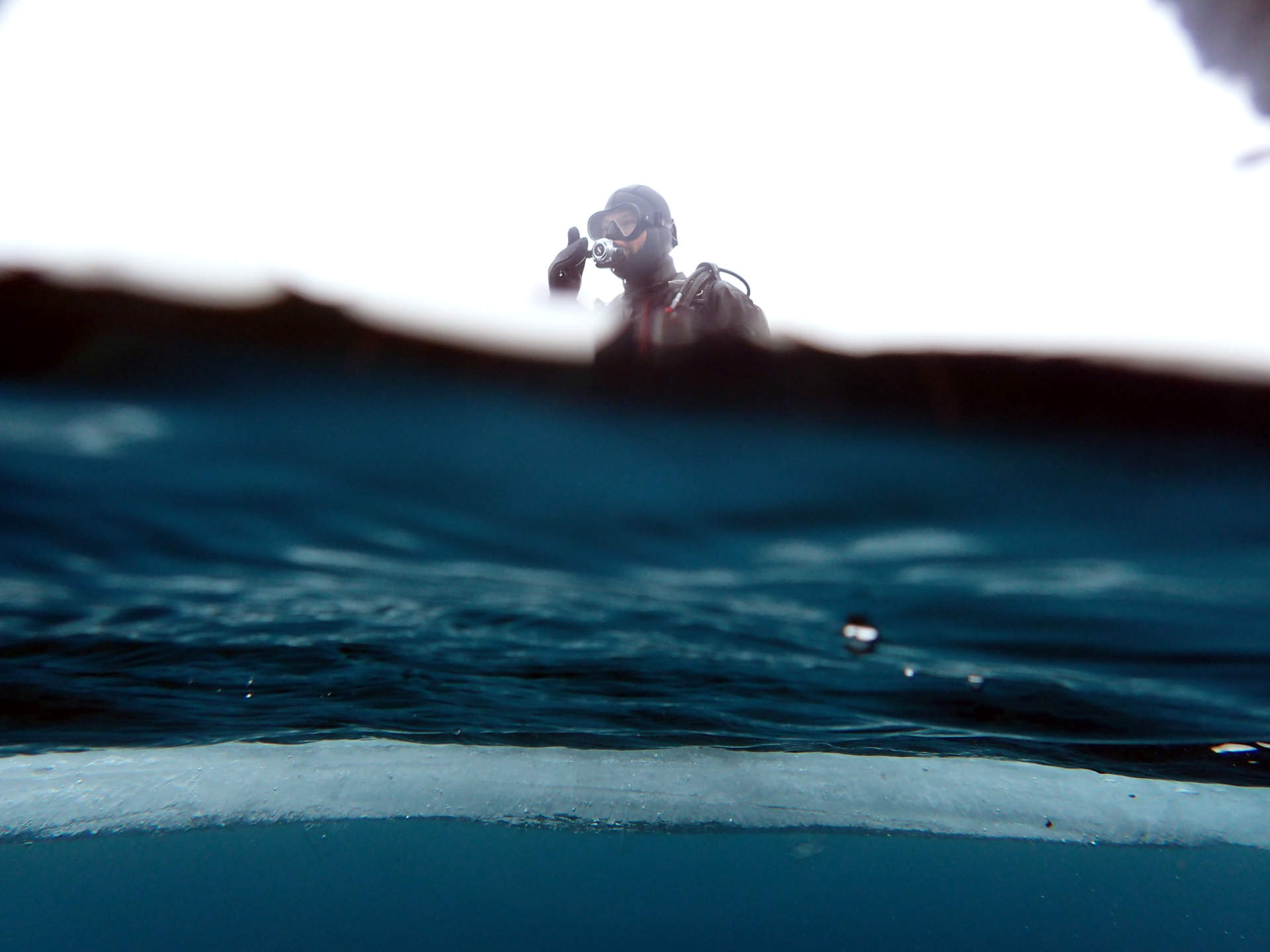
I also like it when the things that matter to me can be “ticked off” early, because you never know what will happen: If you absolutely want to go diving in Iceland, you should maybe make a stop at Silfra right at the beginning of the tour. If you absolutely want to see whales, then a stop in Husavik is better sooner than later, because the conditions for whale watching in Iceland are fantastic there.
Because what if the highlight of your round trip has to be cancelled because a snowstorm rolls in, you get a flat tyre or a volcano erupts (Hey! It’s Iceland… 😉 )
I have driven the Ring Road in both directions and would say that if you drive counter-clockwise, you get an exciting start with lots of sights, then rather quieter sections, and after a few highlights in the north also a calm ending (assuming you don’t drive via the Westfjords or Snæfellsnes). In the south, many great sights line up one after another, the east shines more through landscapes and tranquillity, and in the north it’s a mix of both.
If you take the bus or car as far as Akureyri, for example, and then catch a domestic flight to Reykjavik, you can save yourself a long drive home through the mountains and look at the country from above. Or fly the other way round and do the rest of the round trip comfortably by car, including dropping it off right at the airport.
Which direction you drive in makes no difference to the distance, no difference to the costs, no difference to the duration. But the priority of your bucket list is something you can take into account when planning.
When is the best season for a round trip in Iceland?
I have written down everything worth knowing about the best time to visit Iceland in this article, so I only want to briefly summarise it here.
My favourite month for round trips in Iceland is June. The best chances of good weather, no school holidays in Europe yet, long days, lots of sun and little rain. But of course it depends on your preferences and on what you have planned. For northern lights the winter months are better suited, for whale watching the height of summer. For horse riding tours the spring, and if you like it rough, you’ll feel right at home in the rainy autumn.
You’ll find much more and more detailed info in the article mentioned above.
Which sights should I see on my Iceland round trip
Which sights in Iceland should be on your list is of course not for me to dictate, and I don’t even know them all. But most people reading this article won’t be Iceland pros and will start with the classics first.
Let me categorise the sights a little:
- Landscape
- Sea
- Mountains & glaciers
- Culture
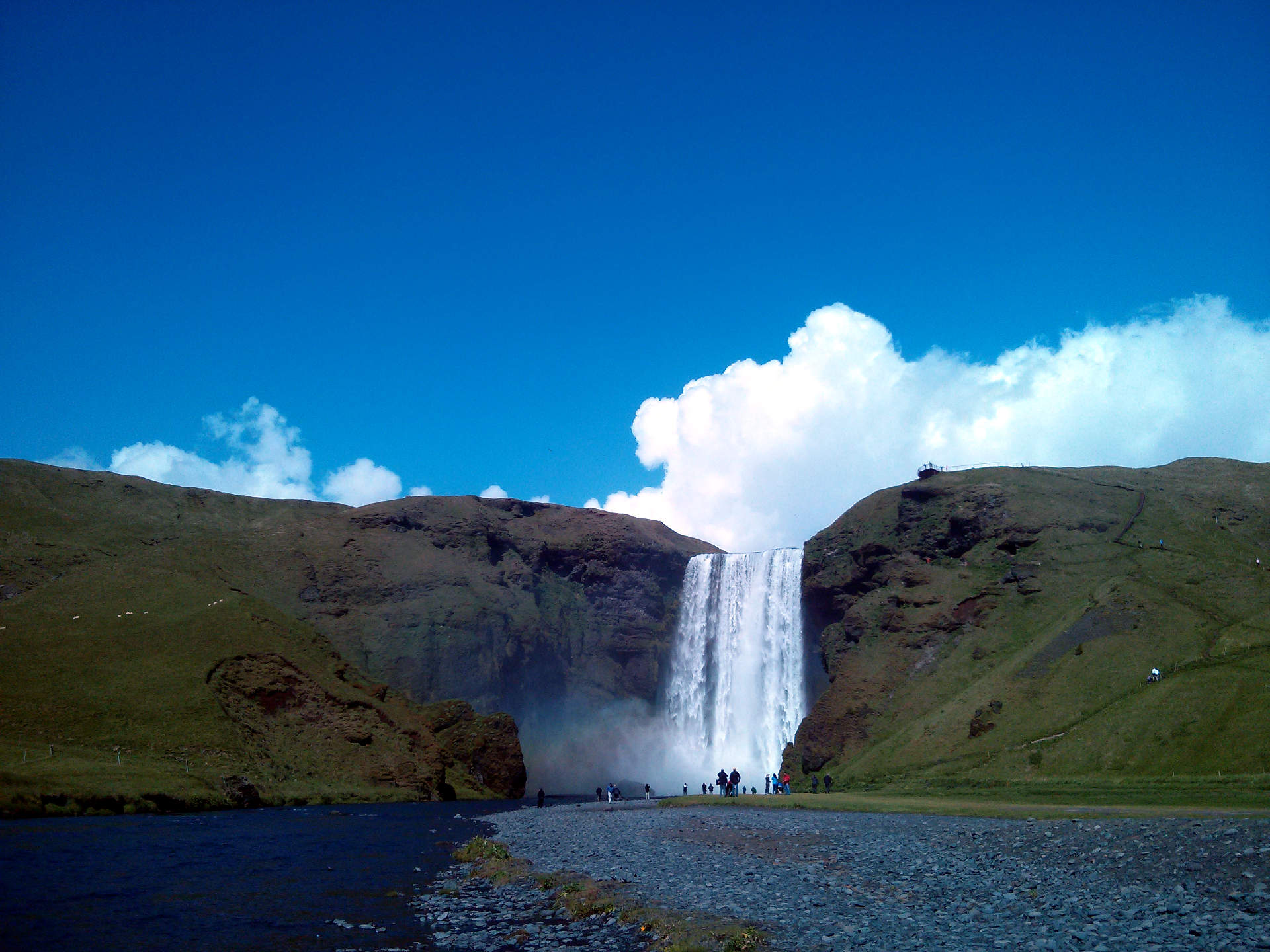
If you want to let Iceland’s landscapes sink in, there is no way around a trip to Landmannalaugar. East of the capital lie these highland pastures, whose name derives from the springs that the farmers there use(d) for themselves. The south offers great views along the Ring Road, as do the fjords in the east and west.
You probably get the most of the sea in the fjords in the north, above all in Husavik and Akureyri, but here too you shouldn’t neglect the fjords on both sides of the island.
If you want to venture into the Highlands, you’re probably best off taking day tours from Reykjavik or in Skaftafell National Park in the south (near Hof). Here you’ll find all kinds of mountains and glaciers worth seeing, which you should only climb on your own with plenty of experience and good preparation.
For exploring Iceland’s culture, Reykjavik is the obvious choice, but Akureyri and the small towns along the Ring Road also have a little something to offer.
So what should you do on a round trip? I say: Combine everything, and depending on your taste, build more of one or the other into the tour. For me, a round trip is there to get an overall impression. Be it a first short impression, which you can get within a week, or a deep dive into the local nature, culture and way of life, which can take several months or years. If you only concern yourself with the waterfalls, you might miss the wonderful river courses on the high plateaus from which they emerge, and if you deal exclusively with the mountains, you probably won’t see any whales. And if you generally only ever concern yourself with travelling, you’ll forget to spend a nice evening with a beautiful Icelandic woman / a handsome Viking and learn something about the people 😉
Which car is best suited for a round trip through Iceland?
Ah, the classic, and by far, far the most frequently asked question: Which car? 🙂
I have already written about the right rental car for each season, so I’d like to refer you to that article here as well, while I just quickly summarise:
In summer it makes absolutely no difference which car you take; only your own comfort requirements and the restriction of the F-roads would force you to rent a four-wheel drive. For driving the Ring Road in good weather, any car you can rent in Iceland is enough.
In winter, i.e. with snow and ice, you will of course run into problems faster with a small car than with an SUV, even on the Ring Road. Your driving skills are still a decisive factor here, but with a four-wheel drive vehicle you are always more comfortable and safer on the road.
Be honest with yourself: If you already don’t like driving on snow at home and didn’t grow up at higher altitudes, you will quickly reach your limits in Iceland. Then a rental car may not be the best option.
Conclusion
I think a rental car is the best option for a round trip in Iceland. Alternatively, you can travel by bus or with your own car / motorhome. You can get there by plane or ferry, with the plane being cheaper and faster. The best route depends on your priorities, and you should plan it around what you absolutely want to see / experience instead of choosing arbitrarily. A round trip also doesn’t necessarily have to be completed entirely with the same means of transport — domestic flights are an option. The best car for circling the island depends on the destinations of the trip and the season. Put your sights together in such a way that you really get an overall impression and don’t just look at one aspect of the country.
I very much hope this article helps you a little with planning your trip. Maybe you’d also like to take a look at my Iceland e-book to learn even more details, compact and at a glance, as a download or on your e-book reader.
No Comments Yet